
PBF | Particle Back Foaming
HIGH QUALITY, LIGHTWEIGHT AND SUSTAINABLE.The innovative and future‑proof technology for high‑quality and affordable lightweight plastic components.
Particle Foams – Innovative Tooling Technology for High‑Quality Molded Parts
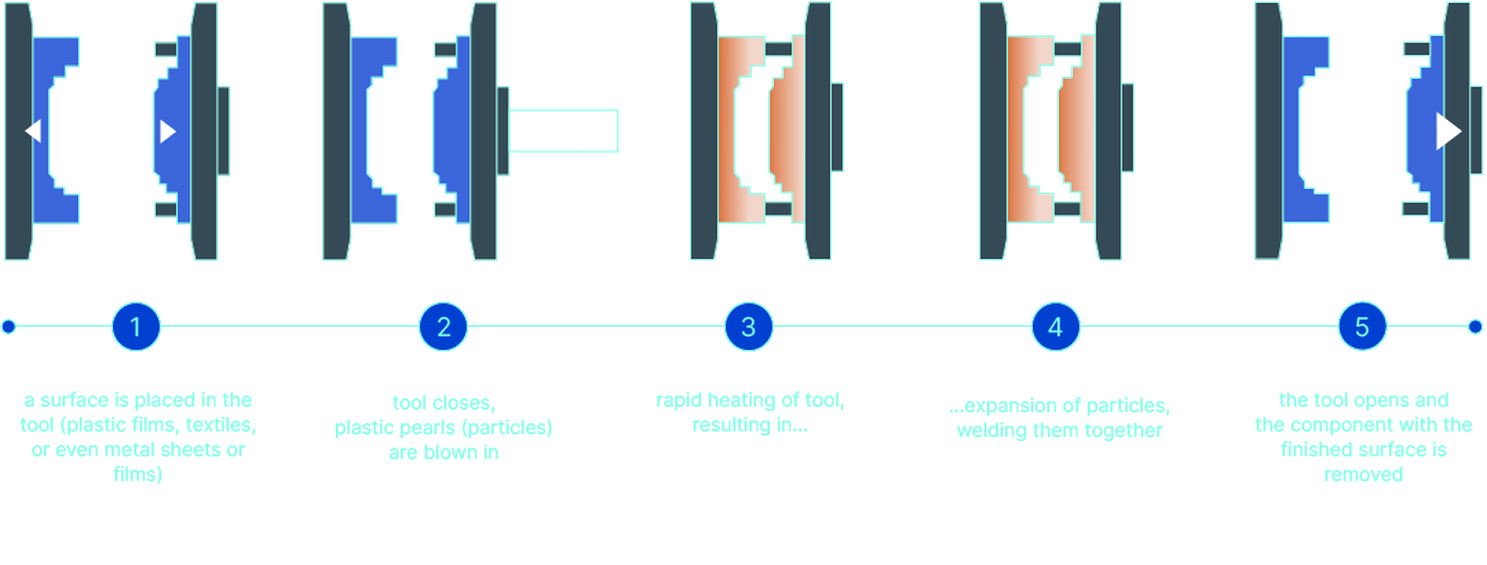
Particle foams such as EPP and EPS are well‑established, lightweight, and highly functional materials. Through the use of dynamically temperature‑controlled molds, the technology has been specifically advanced, allowing surfaces to be back‑foamed directly in the mold.
This results in cost‑efficient molded parts with high‑quality surfaces, excellent stability, and a wide range of application possibilities. In addition to EPP and EPS, other thermoplastic particle foams can also be processed—ensuring maximum flexibility in design and application.
Sustainability as a Key Advantage
Particle foams offer an excellent sustainability profile, including a low CO₂ footprint and the option to use post‑consumer recycled materials.
Particle foams such as EPP and EPS are well‑established, lightweight, and highly functional materials. Through the use of dynamically temperature‑controlled molds, the technology has been specifically advanced, allowing surfaces to be back‑foamed directly in the mold.
This results in cost‑efficient molded parts with high‑quality surfaces, excellent stability, and a wide range of application possibilities. In addition to EPP and EPS, other thermoplastic particle foams can also be processed—ensuring maximum flexibility in design and application.
Sustainability as a Key Advantage
Particle foams offer an excellent sustainability profile, including a low CO₂ footprint and the option to use post‑consumer recycled materials.
Steam‑Free Production of EPS Particle Foams
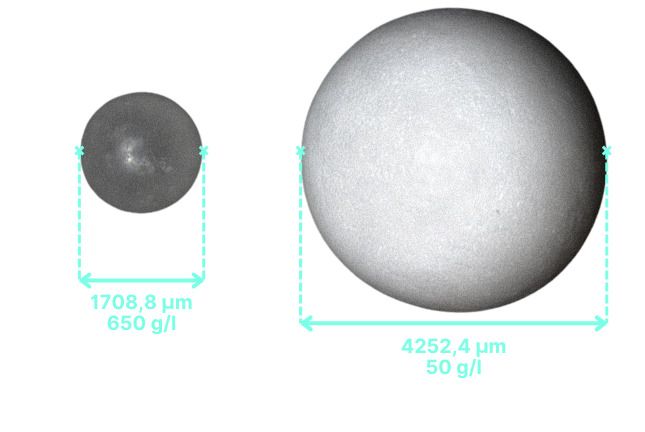
In our steam‑free EPS process, polystyrene is supplied as micro‑granulate and expanded only immediately before processing. This significantly reduces transport volume and supports sustainable material cycles.
The entire process chain - including pre‑foaming and molding - is fully electric and steam‑free. As a result, energy consumption is reduced by approximately 10% compared to conventional processes.
The outcome is a resource‑efficient, clean, and energy‑efficient manufacturing process that optimally combines sustainability and economic efficiency.
Find out more about PBF's innovative technology and development process here.
In our steam‑free EPS process, polystyrene is supplied as micro‑granulate and expanded only immediately before processing. This significantly reduces transport volume and supports sustainable material cycles.
The entire process chain - including pre‑foaming and molding - is fully electric and steam‑free. As a result, energy consumption is reduced by approximately 10% compared to conventional processes.
The outcome is a resource‑efficient, clean, and energy‑efficient manufacturing process that optimally combines sustainability and economic efficiency.
Find out more about PBF's innovative technology and development process here.
- LOW
WEIGHT - High stiffness
due to
sandwich structure - Excellent
insulation
properties - SUSTAINABLE
MATERIALS
What Is PBF Technology (Particle Back Foaming)?
PBF (Particle Back Foaming) is a technology used to manufacture exceptionally lightweight and functional components with minimal material usage. It enables complex geometries, high functionality, and efficient use of materials, while providing high stiffness through a precisely engineered sandwich structure.
Combining Insulation, Weight Reduction, and
Sustainability
PBF components offer excellent thermal and acoustic insulation along with a significant reduction in weight, particularly for automotive applications.
The technology supports the use of recyclable materials as well as post‑consumer recycled content, thereby combining environmental responsibility with economic efficiency.
PBF (Particle Back Foaming) is a technology used to manufacture exceptionally lightweight and functional components with minimal material usage. It enables complex geometries, high functionality, and efficient use of materials, while providing high stiffness through a precisely engineered sandwich structure.
Combining Insulation, Weight Reduction, and
Sustainability
PBF components offer excellent thermal and acoustic insulation along with a significant reduction in weight, particularly for automotive applications.
The technology supports the use of recyclable materials as well as post‑consumer recycled content, thereby combining environmental responsibility with economic efficiency.
HOW DOES PARTICLE BACK FOAMING WORK?
Versatile surfaces for interior and exterior applications
Whether smooth, glossy surfaces or textured and matt finishes - PBF technology opens up a wide range of design options for interior and exterior surfaces.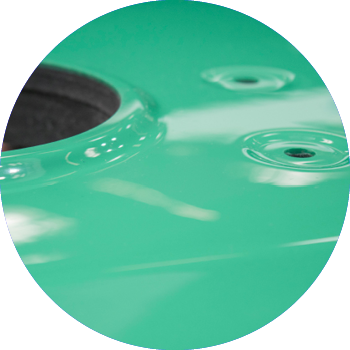
Class-A
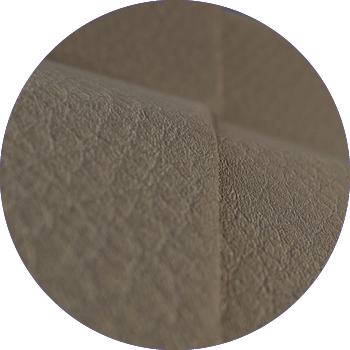
Softtouch

Laminating
Partnership from beginning to end
PARAT Technology is the safe choice for your project - we are at your side every step of the way, from the idea to the market launch.Our modern systems and the concentrated expertise of our employees guarantee first-class results at all times.

FULL-SERVICE PARTNER

Extensive Know-How

Modern
Machines

High supply
Reliability

FAQs about PBF
PBF technology is ideal for high‑quality, lightweight and functionally integrated plastic components for both interior and exterior applications in motorhomes and caravans. It is also used wherever low weight, maximum design freedom and high technical performance are required.
-
What typical applications exist for PBF technology?
PBF technology is ideal for high‑quality, lightweight and functionally integrated plastic components for both interior and exterior applications in motorhomes and caravans. It is also used wherever low weight, maximum design freedom and high technical performance are required.
-
What wall thicknesses, component sizes and shapes are possible with PBF technology?
Because PBF uses dynamically tempered molds, it offers exceptionally high flexibility. Achievable wall thicknesses, sizes and shapes depend on tooling, materials and part design, enabling optimal adaptation to technical requirements.
-
What is the maximum component size that can be produced?
The maximum size of a one‑piece component is around 2800 × 1800 mm. Larger components can be produced through intelligent multi‑part construction.
-
Can functional integrations and inserts be integrated directly in the process?
Yes. Functional elements or inserts can be fixed directly in the mold and permanently integrated during the foaming process, enabling additional functions without downstream assembly steps.
-
How much weight can be saved with PBF components?
The sandwich structure enables weight savings of around 30 to 50% compared to a solid component, depending on the application.
-
What insulation properties do PBF components have?
The foam core of the PBF sandwich consists of EPS with a density of around 180 g/dm³, making it an effective insulation material with very good thermal properties.
-
How stable are PBF components?
The two thermoformed compact outer skins are spaced apart by a defined EPS foam core, resulting in an extremely stiff and stable sandwich structure.
-
Can PBF components be recycled?
Since PBF sandwich components consist entirely of thermoplastics in both the skins and the core, the layers can be mechanically separated and fully recycled at the end of their lifecycle.